This comprehensive guide provides a deep dive into the world of luxury automotive acquisition in 2026. To navigate this market successfully, one must balance an appreciation for high-end aesthetics with a rigorous understanding of the technical and logistical realities that define modern ownership.
I. Evaluating the Pedigree of Modern Engineering
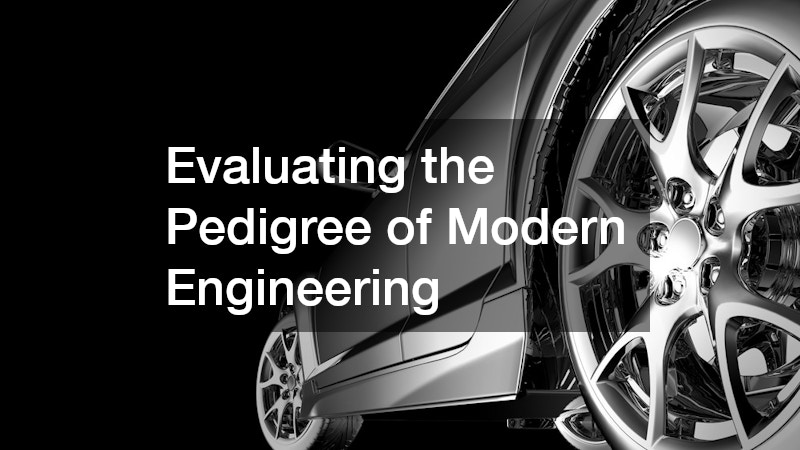
In 2026, the gap between “premium” and “true luxury” is defined by the sophistication of a vehicle’s underlying architecture. We have seen a massive shift in how these vehicles are constructed, with many top-tier marques leveraging the advanced manufacturing industry to create components that were once impossible to produce. From 3D-printed titanium suspension members to carbon-fiber-reinforced polymers that reduce weight while increasing rigidity, the physical makeup of your car is a marvel of science.
However, complexity often demands a higher level of vigilance. When you step into a showroom, you aren’t just buying a car; you are buying into a specific mechanical philosophy.
-
The Software-Defined Vehicle: Ensure the manufacturer has a proven track record of stable over-the-air (OTA) updates. A luxury car that glitches during a software patch is a major liability.
-
Tactile vs. Digital: While screens are ubiquitous, many 2026 luxury brands are reintroducing physical switchgear—milled aluminum knobs and sapphire glass buttons—as a mark of true “high-end” status.
-
Specialized Labor: Before signing the papers, ask about the training level of the dealership’s staff. Modern luxury cars often require certified car mechanics who have undergone hundreds of hours of brand-specific training to handle high-voltage systems and complex active aerodynamics.
II. The Critical Pre-Purchase Inspection
The “certified pre-owned” (CPO) market has become a popular entry point for luxury buyers looking to avoid the initial depreciation hit. However, even with a factory stamp of approval, an independent inspection is non-negotiable. Luxury cars are built to tight tolerances, and small issues can cascade into catastrophic failures if ignored.
One of the first things a specialist will look for is the health of the stopping system. High-performance luxury vehicles often use carbon-ceramic or tungsten-coated rotors. While these provide incredible stopping power, brake repairs on such systems can cost more than a budget sedan. Ensuring the pads and rotors have significant life left is a five-figure consideration.
Furthermore, you should scrutinize the vehicle’s electronics through a deep-system scan. Unlike a standard commuter car, a luxury vehicle might have 50 to 100 separate electronic control units (ECUs). A simple “check engine” light is the tip of the iceberg; you want a technician at an authorized auto shop to pull the historical data logs to see if the vehicle has suffered from recurring sensor failures or voltage drops that indicate a fraying wiring harness.
III. Protecting the Aesthetic and Structural Integrity
A luxury car’s value is inextricably linked to its visual perfection. In the era of “frozen” matte paints and multi-stage pearlescent finishes, a simple scratch is never a simple fix. Standard repair shops often lack the clean-room environments and specialized paint-matching spectrometers required to restore these finishes.
If you are looking at a used model, inspect the body panels under high-intensity LED lighting. You are looking for the “orange peel” texture that suggests a panel has been repainted. While minor cosmetic touch-ups are common, you must ensure that any auto dent removals were performed using paintless methods that preserve the original factory e-coat. If a panel was pulled or hammered incorrectly, it can compromise the rust-proofing or the sensor calibration behind the bumper.
For those purchasing high-end SUVs or performance crossovers, the exterior takes even more of a beating. It is common to see owners add specialized truck accessories like heavy-duty clear bras or ceramic coatings to protect the leading edges from stone chips. When vetting a vehicle, ask for receipts of these protective measures, as they add significant resale value.
IV. Logistics and Support for High-Value Assets

Ownership of a luxury vehicle brings unique logistical challenges. These cars often have staggered wheel setups, low-profile tires, and no spare tire to save weight. This means a simple flat tire can leave you stranded. While most brands offer a proprietary roadside assistance service, you should verify exactly what that covers.
Does the service provide a flatbed tow to the nearest certified center, or will they merely drag it to the closest garage? For a luxury vehicle, a standard tow service can be dangerous. If the operator doesn’t use soft-tie straps or doesn’t understand how to put a dual-motor EV into “tow mode,” they can cause thousands of dollars in damage to the drivetrain or the air suspension. Always ensure your insurance or manufacturer plan guarantees specialized transport.
V. Maintenance Realities and Long-Term Care
The most expensive luxury car is the one you bought “at a bargain” and failed to maintain. The maintenance schedule for a 2026 high-end vehicle is often more frequent than that of a standard car, and the parts are significantly more specialized.
If you are purchasing a luxury SUV or a high-capacity hauler, the maintenance needs change yet again. You may find yourself needing to visit a facility that handles truck repair if your vehicle shares a chassis with heavy-duty commercial platforms, as standard lifts might not be rated for the weight of an armored or extended-wheelbase luxury SUV.
Moreover, you should vet the auto body shops in your area before you actually need one. Most modern luxury cars use a mix of magnesium, aluminum, and carbon fiber. If you are in an accident, an auto body shop without the specific “structural aluminum” certification from the manufacturer cannot legally or safely repair the frame. Checking for these certifications beforehand ensures that your vehicle will be returned to factory safety standards in the event of a mishap.
VI. The Evolution of Propulsion: Choosing Your Powerplant
In 2026, the “luxury” label applies to a diverse range of powertrains, each with its own set of long-term maintenance profiles. Choosing between a high-output Internal Combustion Engine (ICE), a Battery Electric Vehicle (EV), or a sophisticated Plug-in Hybrid (PHEV) is the most significant decision you will make.
Many modern flagship models now utilize “E-Axles” to augment traditional V8 or V12 engines. While this provides staggering performance, it introduces two distinct cooling loops and two different types of friction wear. When inspecting a used hybrid, you must ensure that the transition between electric and gasoline power is seamless. Any “shudder” during the hand-off often points to a software calibration issue or a failing clutch pack within the transmission.
If you are looking at the absolute cutting edge of the advanced manufacturing industry, you may encounter early solid-state or semi-solid-state battery architectures. These offer higher energy density and faster charging but require specific thermal management systems. Unlike early EVs, 2026 luxury electrics use liquid-immersion cooling for the battery cells. A pre-purchase inspection should always include a “SoH” (State of Health) report of the battery, as a degraded pack in a luxury vehicle can decrease resale value by as much as 40%.
For the purist, the high-displacement ICE remains the gold standard. However, these engines are now so tightly packed into engine bays for aerodynamic purposes that “engine-out” services are becoming common for even minor repairs. When talking to car mechanics, ask about the labor hours required for basic tasks like spark plug replacement or belt tensioner adjustments. On a modern mid-engine exotic, a simple belt swap can sometimes require 20+ hours of labor.
VII. Interior Craftsmanship and the Digital Sanctuary
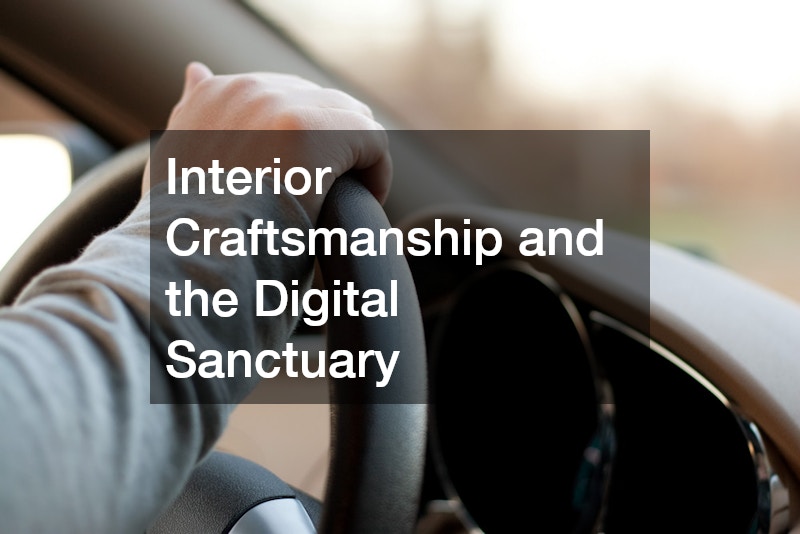
The interior of a luxury car is where you spend 100% of your time, yet it is often the most neglected area during the inspection process. In 2026, “luxury” has moved toward sustainable materials that require different care than traditional hides.
- Sustainable Textiles: Many brands now use mushroom-based “leather” or recycled ocean plastics woven into high-end fabrics. These materials are durable but can be sensitive to certain chemical cleaners. Ensure the previous owner hasn’t used harsh solvents that could strip the protective bio-coatings.
- Haptic Feedback and Glass Cockpits: The 2026 trend of “Glass Cockpits” means that almost every surface is a touch-sensitive interface. While beautiful, these are prone to micro-scratching. Look for the presence of specialized screen protectors or evidence of frequent detailing.
- The Cabin Air Quality System: Modern luxury cars feature HEPA-grade filtration and ionization systems. Part of your maintenance routine at the auto shop should include the replacement of these high-efficiency filters to ensure the “sanctuary” experience remains untainted by outside pollutants.
VIII. Specialized Components and “Hidden” Maintenance
Beyond the engine and the paint, luxury cars utilize proprietary components that standard vehicles simply do not have. These systems provide the “magic carpet ride” associated with high-end brands but require specialized oversight.
Active anti-roll bars and predictive suspension systems use cameras to “read” the road ahead and adjust the dampers in milliseconds. These systems are hydraulic or high-voltage electric. If you notice the car “leaning” after being parked for a few days, it could indicate a slow leak in the air bellows or a failing valve block. Replacing an active corner assembly is a significant expense, often requiring specialized brake repairs and suspension recalibration simultaneously to ensure the electronic stability control remains accurate.
For track-focused luxury cars, carbon fiber is used not just for trim, but for the wheels and structural tubs. Carbon fiber wheels are incredibly light but can be easily damaged by potholes or improper mounting equipment. If you are purchasing a vehicle with composite wheels, ensure the tires were only ever changed by a shop with “touchless” tire mounting machines. Standard tire irons can create hairline fractures in the resin that are invisible to the eye but could lead to wheel failure at high speeds.
IX. Navigating the Post-Purchase Ecosystem
Once the vehicle is in your garage, your relationship with the local service infrastructure changes. You are no longer just a customer; you are a steward of a high-value asset.
In the luxury world, “Paperwork is Power.” A car with a missing service stamp or a lost receipt for auto dent removals is viewed with suspicion by future collectors. Use a digital concierge or a dedicated folder to track every interaction the car has with a professional. Even minor cosmetic fixes should be documented to prove they were handled by certified professionals.
Even the most reliable 2026 models can suffer from “electronic bricking” or tire failure. When selecting a roadside assistance service, confirm they have experience with “zero-degree” flatbeds. Standard flatbeds have a tilt angle that is too steep for many luxury spoilers and splitters. A zero-degree bed slides out and lays completely flat on the ground, allowing the car to be winched on without any risk to the underbody.
Furthermore, keep the contact information for a trusted tow service in your phone’s favorites. Relying on the “nearest available” tow truck via an insurance app is a gamble. You want a provider that carries specialized “snatch blocks” and “over-the-tire” strapping systems that avoid touching the delicate rim finishes or the suspension components.
X. Enhancing the Ownership Experience
Many owners choose to personalize their vehicles immediately after purchase. While this can enhance your enjoyment, it must be done with an eye toward the future.
- Bespoke Upgrades: If you are adding truck accessories to a luxury SUV, such as power-deployable side steps or custom roof racks, ensure they are integrated into the vehicle’s CAN-bus system by a professional. Poorly grounded aftermarket electronics are the leading cause of “phantom battery drain” in modern luxury vehicles.
- Performance Tuning: With the rise of “locked” ECUs in 2026, performance tuning is often handled via manufacturer-approved software flashes. Avoid third-party “piggyback” chips that can void your powertrain warranty and cause issues that specialized truck repair or car technicians may struggle to diagnose.
XI. Financial Strategy and Market Value
Finally, buying a luxury car in 2026 requires a cold, hard look at the numbers. Depreciation is the “silent killer” of automotive wealth, but certain models actually appreciate or hold steady if managed correctly.
- The Rarity Factor: Limited-run colors, specific “performance packs,” or manual transmission options (where they still exist) act as a hedge against depreciation.
- Leasing vs. Financing: Many buyers prefer leasing to stay within the warranty period and to avoid being “underwater” on a rapidly evolving EV platform.
- The Insurance Premium: Insurance for luxury cars is not just about the value of the car; it’s about the liability of the technology. A single fender-bender that damages a LIDAR sensor can cost $15,000 to recalibrate.
Navigating the luxury car market is a rewarding challenge for those who appreciate the pinnacle of human engineering. By looking beyond the initial sparkle of the showroom floor and focusing on the long-term mechanical, technological, and logistical requirements, you can ensure that your purchase is a sound one. Remember that in the world of high-end vehicles, you aren’t just buying a mode of transportation—you are acquiring a masterpiece of modern industry. Treat the process with the same level of care that went into the car’s creation, and you will enjoy many years of superlative driving.