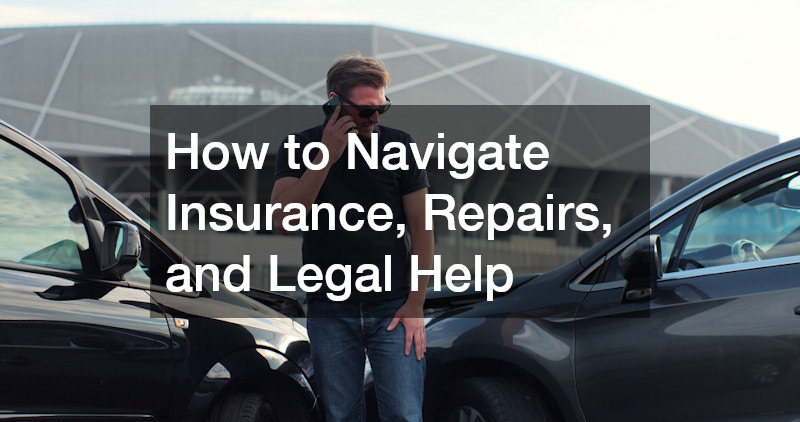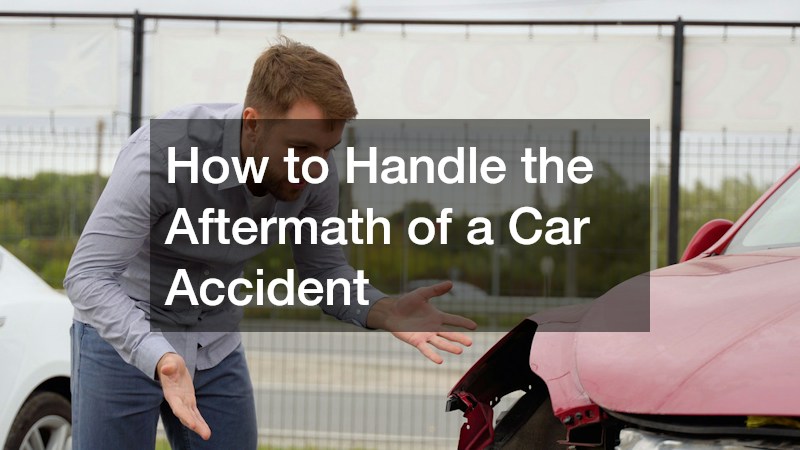
Navigating the initial moments after a motor vehicle collision can feel overwhelming, especially when dealing with adrenaline, confusion, and potential safety concerns. Whether you are dealing with a minor fender bender in a parking lot or a major multi-vehicle accident on a highway, knowing precisely what steps to take can protect your safety, your finances, and your rights. From securing the scene and filing an insurance claim to coordinating complete vehicle restoration and seeking proper legal support, having a clear action plan is essential. This guide breaks down the necessary post-collision steps into actionable advice, helping you navigate the entire process with confidence and clarity.
Immediate Steps to Take at the Scene

Ensuring Personal Safety and Assessing Injuries
The moments directly following a collision are filled with adrenaline, but remaining calm is essential for taking the right steps. Check yourself and your passengers immediately for any physical harm, ranging from visible injuries to faint dizziness or severe pain. If anyone requires medical attention, call emergency services immediately and follow the dispatcher’s guidance. Avoid moving an injured individual unless there is an active danger, such as an engine fire or leaking fuel, as improper movement can worsen spinal or muscular trauma.
Securing the Crash Site and Warning Traffic
If the vehicles involved are operational and causing a hazard in active traffic, safely steer them over to the shoulder or a nearby parking space. Once the vehicle is parked, switch on your hazard lights to notify oncoming drivers. If you carry emergency road flares or warning triangles in your trunk, deploy them several paces behind the vehicle to create a safe boundary around the perimeter. In cases where the car cannot be safely driven due to severe mechanical damage, turn off the ignition and exit toward a safe area off the main roadway.
Contacting Law Enforcement and Documenting Details
Always contact the police department to report the incident, regardless of how minor the damage might appear. Responding officers will gather details from all drivers, write up an official report, and help keep the scene orderly. While waiting for law enforcement to arrive, begin collecting vital details including names, contact info, insurance policy details, driver license numbers, and license plate numbers. Take clear photos from multiple angles of all vehicle damage, skid marks, road conditions, traffic signals, and weather patterns.
Transporting Damaged Vehicles Safely
When an engine will not start or dynamic suspension components suffer damage, moving the car requires specialized transport. Contacting a reliable towing company ensures that your vehicle is pulled onto a flatbed and transported safely without causing additional strain to the undercarriage. Never let unauthorized roadside operators move your vehicle without confirming their destination and fee schedule.
Gathering Statements and Visual Documentation
In addition to capturing overall vehicle positions, photograph granular details such as shattered glass on the pavement, deployed airbags, interior damage, and personal property destruction. If bystander witnesses are nearby, politely request their names and telephone numbers before they leave the area. Having independent neutral witness statements can become an invaluable asset later if insurance companies dispute how the crash occurred.
Navigating the Claims Process
Preparing Information for the Initial Claim Report
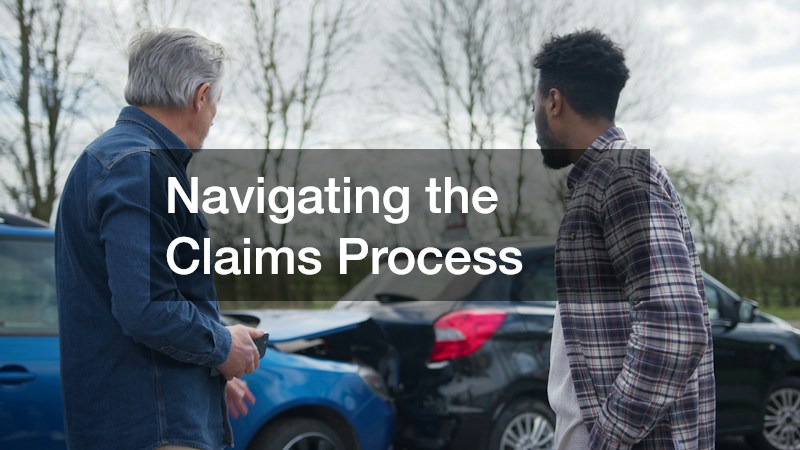
Filing an insurance claim promptly helps expedite the recovery process and prevents unnecessary delays in getting your vehicle serviced. Gather your accident documentation, including the official police report number, photos taken at the scene, and contact info for all involved parties. Be accurate and objective when describing the crash events to your insurance adjuster, sticking strictly to verifiable facts without assigning blame.
Comparing Policy Details and Coverage Options
Understanding your policy limits, deductibles, and specific coverages helps you evaluate repair estimates with confidence. If you maintain comprehensive coverage, you can manage out-of-pocket costs while securing quality structural work. Shopping around annually allows drivers to secure affordable car insurance rates that balance extensive protection with reasonable monthly premiums.
Working with Adjusters and Evaluating Estimates
Once your claim is open, an insurance adjuster will evaluate the structural damage and draft a preliminary repair estimate. You have the right to request a second opinion from an independent garage to ensure all hidden component damages are fully accounted for. Review every line item on the estimate carefully, verifying that all recommended replacement parts meet appropriate safety standards before signing off on repairs.
Understanding Fault Standards and Policy Deductibles
Depending on local legal regulations, driver liability will follow either a fault-based or no-fault regime. Understanding whether your own policy covers initial medical payments or collision damage upfront helps you anticipate out-of-pocket expenses. Ensure you know how your deductible applies to different claim types so there are no financial surprises when picking up your vehicle from the garage.
Understanding Vehicle Repair and Restoration
Evaluating Structural Frame and Panel Damage
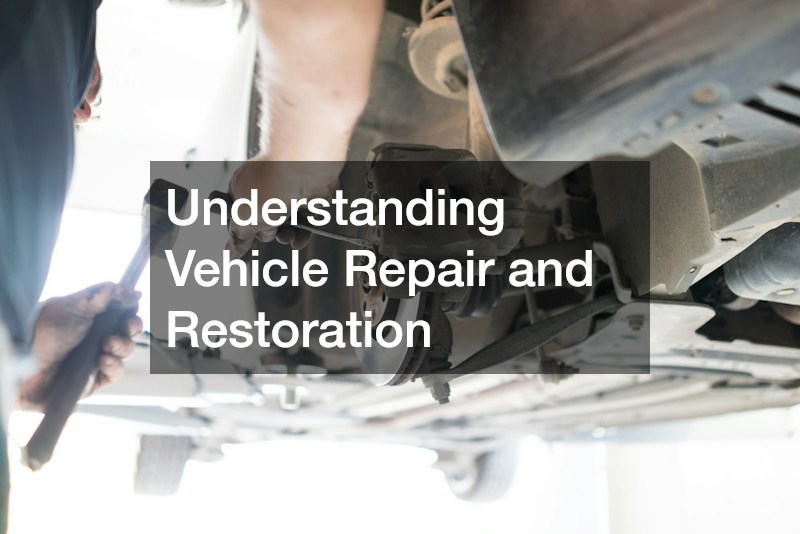
Vehicles manufactured today rely on complex crumple zones designed to absorb impact energy during collisions. When structural integrity is compromised, specialized auto body repair processes are necessary to realign the frame, reshape metal panels, and restore safety features. Trained technicians utilize hydraulic alignment racks and precision measuring lasers to ensure the frame returns to original factory specifications.
Replacing Damaged Structural Glass
High impacts often shatter or micro-crack windshields, side windows, and rear glass panels. Professional auto glass replacement restores full structural stability to the passenger cabin while maintaining proper clarity for drivers. Windshields also serve as key support structures for airbag deployment, making immediate replacement of cracked glass vital for ongoing driver safety.
Diagnostic Checks for Mechanical and Electrical Systems
Under-the-hood impacts can ruin fragile engine components, damage cooling systems, or crack structural mounts. Professional technicians perform thorough mechanical inspections to diagnose hidden steering, brake, and transmission problems before returning the vehicle to the road. Arranging comprehensive auto repairs following a collision eliminates hidden mechanical faults that could compromise safety during future driving.
Fixing Electrical Hazards and Battery Damage
Severe impacts can rupture internal cell plates, crack composite casings, or cause immediate short circuits in electrical systems. Performing timely car battery replacements prevents unexpected electrical failures and ensures reliable engine starts after collisions. Technicians will also check major wiring harnesses and high-voltage fuses to rule out subtle electrical damage across the vehicle.
Restoring Automotive Paint and Exterior Finish
Once structural frame repairs and body work are finished, restoring the vehicle’s original finish becomes the primary priority. Technicians carefully sand down scraped surfaces, apply primer layers, and match paint colors using computerized tinting formulas. Applying long-lasting car paint protection over freshly painted panels shields the new finish from oxidation, road salt, and harsh environmental contaminants.
Assessing Hidden Damage Beneath Crumple Zones
Impact forces travel along structural paths in unpredictable ways, sometimes buckling frame rails far from the initial contact point. Experienced technicians conduct comprehensive computerized teardowns to identify hidden suspension misalignment, bent axle shafts, and cracked engine mounts. Resolving these deeper structural issues ensures that your vehicle retains its engineered safety profile in any future driving scenarios.
Restoring Safety Systems and Sensor Arrays
Modern vehicles depend heavily on complex computer systems, radar units, and camera arrays for advanced driver assist tools like automated braking and lane keeping. After physical damage is fixed, technicians must recalibrate these delicate sensors to original factory tolerances. Ensuring these microprocessors function flawlessly prevents system glitches and guarantees that essential electronic safety features deploy properly when needed.
Managing Post-Accident Mobility
Arranging Transportation During Structural Repairs
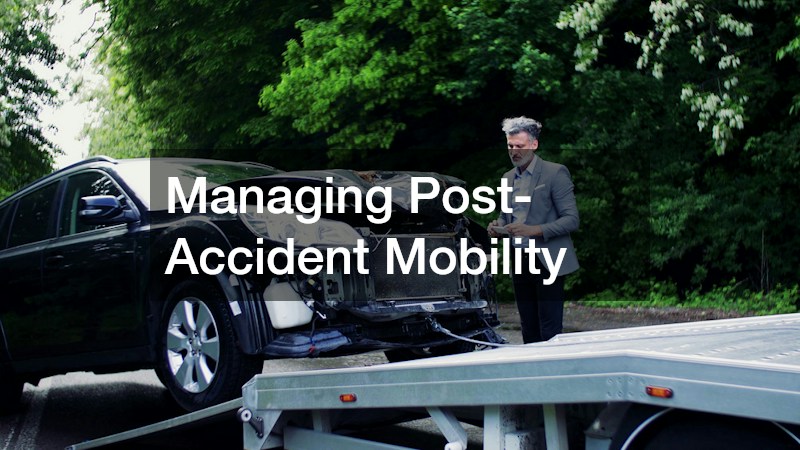
Without an operational vehicle, maintaining daily commuting schedules and family commitments requires advanced planning. Review your insurance policy to confirm whether rental reimbursement coverage is available to pay for daily vehicle rentals while your car sits in the repair facility. If rental coverage is excluded from your policy, organizing alternative transportation early prevents schedule disruptions.
Utilizing Specialized Rideshare and Driver Services
When loaner cars are unavailable or inconvenient, professional chauffeured options offer flexible local transport. Booking private car services provides seamless point-to-point transportation while your personal vehicle is actively being serviced in the shop. This flexible approach keeps your schedule intact without committing to lengthy rental contracts or unexpected vehicle maintenance costs.
Managing Extended Repair Schedules and Rental Timelines
Supply chain delays or backordered structural parts can sometimes extend shop stays longer than originally estimated. Communicate weekly with your repair facility manager to receive realistic updates on vehicle completion dates. Keeping your insurance adjuster informed about repair extensions helps prevent sudden gaps in rental car coverage approvals.
Managing the Technical Restoration Phase
Choosing Certified Repair Facilities
Selecting an authorized repair center with manufacturer certifications ensures that technicians possess specialized training for your vehicle’s make and model. Certified facilities follow precise factory repair protocols, use specialized tools, and install high-quality replacement parts. This standard of work maintains factory safety warranties and helps preserve your vehicle’s long-term resale value.
Understanding Original Parts Versus Aftermarket Alternatives
When reviewing repair estimates, pay close attention to whether the facility specifies original equipment manufacturer components or aftermarket parts. While third-party alternatives offer lower costs, original parts guarantee precise fitment, structural strength, and factory finish matching. Discuss these options with your insurance representative to ensure high standards are maintained throughout the rebuild.
Selecting Specialists for Comprehensive Vehicle Restoration
Major collisions often require different specialized skill sets, ranging from precision frame pulling to intricate mechanical reassembly. Taking your vehicle to an established shop that offers complete car collision repair ensures that every phase of mechanical, structural, and cosmetic reconstruction is handled seamlessly under one roof. Integrated shop workflows reduce turn-around time and ensure proper quality control across all systems.
Protecting Legal Rights and Financial Interests
Assessing Personal Injury and Property Claims
When collisions involve significant physical injuries, disputes over fault, or major property destruction, legal guidance becomes essential. Retaining specialized auto accident legal services helps injured drivers handle insurance negotiations, calculate long-term medical costs, and secure fair financial compensation. Qualified legal professionals manage incoming communication with insurance adjusters so you can focus entirely on physical rehabilitation.
Preserving Critical Evidence and Records
To protect your rights, keep an organized folder containing every paper document generated after the crash. Collect medical bills, physical therapy plans, repair invoices, rental vehicle receipts, and official communications from insurance representatives. Maintaining precise documentation provides solid evidence when seeking reimbursement for missed workdays, ongoing medical expenses, or reduced vehicle resale value.
Managing Long-Term Physical Recovery and Treatment Plans
Soft tissue injuries, whiplash, and back strain often take days or even weeks to fully manifest after the stress of a crash subsides. Seeking immediate and ongoing medical evaluations creates an official treatment record that directly links your injuries to the incident. Adhering strictly to prescribed physical therapy regimens supports your health while strengthening your legal claim for medical cost recovery.
Evaluating Diminished Value and Long-Term Asset Protection
Even after a vehicle has been completely restored to factory specifications, its historical market value often drops simply due to having an accident record on file. Filing a diminished value claim with the fault driver’s insurance provider allows you to seek financial compensation for this loss in resale worth. Gathering professional appraisal reports helps quantify this reduction in market value for negotiation purposes.
Long-Term Post-Accident Care and Prevention
Conducting a Thorough Post-Repair Inspection
Before signing final release forms or accepting your keys back from the shop, perform a meticulous inspection of all completed work. Walk around the vehicle in daylight to check panel alignments, door seams, and paint color match consistency. Test all lights, electronics, rolling windows, and climate control systems to verify that everything operates smoothly.
Taking a Systematic Test Drive
Take your restored vehicle on a varied test drive that includes both slow city streets and higher highway speeds. Pay close attention to vehicle tracking, steering alignment, braking responsiveness, and any unusual cabin noises or vibrations. If you notice pulling to one side, irregular steering wheel vibration, or warning lights on the dashboard, return to the facility immediately for adjustments.
Updating Emergency Preparedness Kits
Experiencing a vehicle incident serves as a helpful reminder to review and upgrade your roadside emergency supplies. Equipping your vehicle trunk with a modern first aid kit, flashlight, jump-starter pack, thermal blankets, and high-visibility road markers ensures readiness for future unexpected events. Being fully prepared helps maintain calm and order should another roadside emergency occur down the line.
Navigating the aftermath of a motor vehicle collision requires clear decision-making, thorough record-keeping, and structured steps. Prioritizing safety at the crash site lays the foundation for a smoother recovery. Communicating clearly with adjusters, coordinating certified vehicle restoration, and safeguarding your legal rights will help restore your routine efficiently. Taking deliberate actions step by step ensures your vehicle is safely restored and your personal well-being is fully protected.