
The secondary automotive marketplace provides consumers with an extraordinary opportunity to bypass the devastating financial impact of initial vehicle depreciation. By choosing a pre-owned vehicle over a brand-new alternative, savvy car buyers can capture premium trims, advanced engine configurations, and luxury packages that would otherwise sit far out of reach within traditional retail budgets. However, stepping onto a secondary lot or entering a private peer-to-peer automotive transaction introduces a high level of operational risk and information asymmetry. When you choose to acquire a pre-owned vehicle, you are fundamentally buying a collection of unverified mechanical histories, hidden structural wear, and potential deferred maintenance liabilities.
To survive the used car buying experience with your personal capital intact, you must abandon optimistic cosmetic assumptions and adopt an aggressively defensive mindset. You must work under the absolute operational premise that every pre-owned vehicle possesses hidden flaws, aging fluid dynamics, or unrecorded historical damage that the selling party is either unaware of or actively attempting to conceal. Approaching a used vehicle purchase with this calculated skepticism allows you to build an ironclad strategy to mitigate worst-case scenarios before they threaten your safety or drain your bank account. This comprehensive guide provides an in-depth operational blueprint designed to help you anticipate mechanical vulnerabilities, establish direct parts procurement channels, structure emergency roadside logistics, and verify structural frame alignment, ensuring your used vehicle investment transforms into a safe, high-value asset.
Hardening Home Ingress Points and Parking Security

The process of preparing for the worst-case scenarios of used car ownership begins long before you park the newly acquired asset in your residential driveway. When a pre-owned vehicle transitions across ownership lines, an unknown array of digital entries, remote transponder keys, and tracking variables can remain active. Additionally, opportunistic neighborhood bad actors frequently monitor residential zones for the arrival of new vehicles, recognizing that first-time owners have often not yet integrated the vehicle’s security frameworks into their overall property defensive grids. Your very first operational priority must center on hardening your home’s perimeter boundaries and ensuring your sheltered parking spaces are structurally sound.
Locking down your property limits requires a strict assessment of all computerized entry systems and automated visual barriers. If your property features motorized boundary access, you should immediately coordinate with a certified automatic gate company to inspect the electronic control boards, reset the internal radio frequency memory chips, and overwrite all active remote control codes to ensure legacy clickers cannot bypass your perimeter lines. Simultaneously, you must look upward and audit the mechanical stability of your secondary, sheltered overhead structures. Because a pre-owned car often represents a significant financial allocation, a sudden structural drop from a failing overhead system can result in immediate, devastating vehicle damage. Take the time to examine your overhead counterbalance assemblies, looking for frayed structural steel lines, worn track rollers, and unbalanced torsion springs. Scheduling the necessary professional garage door repairs prevents structural infrastructure collapses from crushing your newly acquired automotive asset.
- Purge integrated rolling security frequencies: Locate the internal learn buttons on your residential overhead openers and hold them down to permanently clear the internal memory banks of all legacy vehicle transponder codes.
- Upgrade perimeter tracking and illumination: Place high-brightness, motion-activated LED security lights and network video cameras directly covering your primary vehicle staging areas to deter opportunistic nocturnal theft.
- Test secondary mechanical release mechanisms: Confirm that the manual pull cords on your overhead entry tracks function flawlessly, ensuring you can extract your vehicle during a prolonged public power outage.
Establishing Direct Component Supply Lines and Sourcing Pipelines
The true long-term affordability of used car ownership depends almost entirely on your ability to bypass expensive dealership service counters and build a highly streamlined, independent material procurement network. When an older vehicle enters its secondary or tertiary ownership cycle, its consumption of friction components, fluid filters, ignition parts, and electrical sensors will naturally accelerate. If you rely strictly on standard retail consumer channels or corporate mechanics to source these routine inputs, you will quickly find your maintenance budgets consumed by massive, non-wholesale retail markups.
To construct a highly defensive shield around your personal bank account, you must build direct lines of communication with commercial parts distributors in your regional territory. Take an afternoon during your first week of vehicle ownership to open a trade or preferred account at a fully stocked local auto parts warehouse, giving your personal maintenance garage direct access to commercial-grade components, wholesale pricing structures, and immediate inventory access. This direct supply line allows you to execute an exhaustive overhaul of the vehicle’s unsprung mass systems and wheel parameters without absorbing devastating retail markups. Used vehicles are frequently sold with mismatched, dried, or dangerously worn car tires that have sat on the vehicle for more than five years. Use your wholesale procurement accounts to acquire a fresh, balanced set of high-traction rubber matching your exact regional weather parameters, guaranteeing optimal water dispersion, maximizing fuel efficiency, and slashing your wet-braking distances cleanly.
- Decipher tire manufacturing date stamps: Examine the sidewall of your incoming tires for the four-digit DOT code; if the numbers indicate the rubber was manufactured more than five to six years ago, discard them immediately, regardless of remaining tread depth.
- Stock a rolling baseline maintenance cache: Keep a continuous supply of model-specific oil filters, cabin air filters, spark plugs, and vital engine sensors stored cleanly in your home workshop to execute immediate swap-outs.
- Verify wheel lug torque boundaries: Use a calibrated click-type torque wrench to verify that every single wheel lug nut is tightened to exact factory foot-pound specifications, neutralizing the risk of a dangerous wheel separation event at highway speeds.
Overhauling Mechanical Baselines and Preparing for Failure
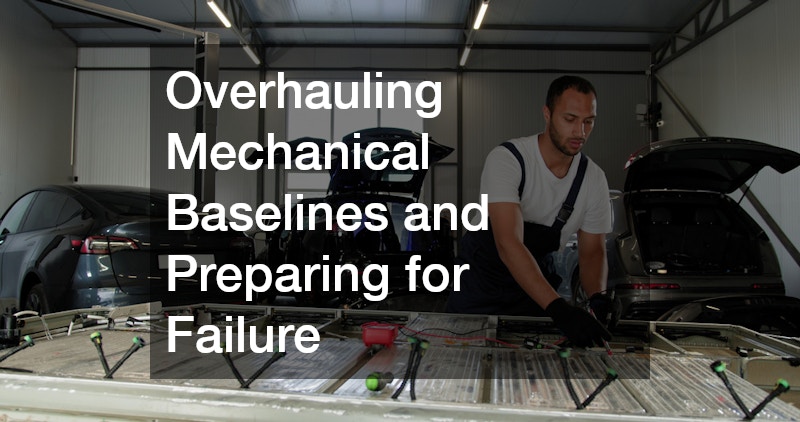
The absolute cornerstone of worst-case used car preparation is the systematic implementation of an ironclad, post-purchase fluid and mechanical baseline changeout. No matter how many verbal assurances a previous owner gives you, or how clean the cosmetic presentation appears under the hood, you must treat every single drop of engine oil, transmission fluid, radiator coolant, and brake fluid as completely unverified and potentially contaminated. Treating these internal fluids as spent resources allows you to establish a definitive, timestamped starting point for all upcoming service milestones, permanently shielding your internal combustion components from sudden, unpredictable mechanical breakdown.
Even with an extensive preventative maintenance framework in place, you must realistically prepare for the operational eventuality of an unexpected roadside failure. Older mechanical sensors can short-circuit without warning, and vintage cooling lines can suddenly rupture under intense summer highway pressures. To insulate your family from being stranded on a dark, dangerous highway shoulder, you must establish an explicit roadside extraction protocol. Your smartphone index should feature a prioritized, pre-vetted list of licensed regional towing companies that possess flatbed capability, ensuring you can quickly arrange an emergency recovery if your vehicle suffers a sudden transmission failure or electrical lockup. Understanding the precise boundary lines between basic DIY maintenance tasks and highly complex technical interventions is crucial; when a deep engine knock or a major system fault surfaces, you must have immediate access to a trusted, independent workshop specializing in high-mileage auto repairs to diagnose and rectify the issue before it escalates into a catastrophic engine replacement event.
- Flush the entire hydraulic stopping system: Purge old, dark, moisture-laden fluid from your brake lines until clean, translucent fluid fills the lines, protecting your internal ABS modulators from corrosion.
- Construct a dedicated roadside survival vault: Secure an impact-resistant storage crate inside your trunk containing a heavy-duty jump starter pack, a comprehensive mechanic’s hand tool kit, reflective safety triangles, and a durable tow strap.
- Analyze baseline engine oil integrity: Send a sample of your initial engine oil drain to a specialized fluid analysis laboratory to check for hidden bearing wear, coolant intrusion, or internal ring blow-by.
Executing Surface Diagnostics and Structural Rectification

The cosmetic brilliance of a used car can be incredibly deceptive. Modern automotive reconditioning technologies allow unscrupulous sellers to easily mask severe underlying structural defects, historical collision damage, and advanced metal corrosion through the clever deployment of temporary chemical fillers, heavy cosmetic glazes, and non-factory paint oversprays. To protect your capital investment from being trapped inside a disguised salvage vehicle, you must execute a strict, highly detailed physical and chemical diagnostic audit across all body panels and structural frame sections.
Unmasking these hidden visual and physical deceptions requires you to step away from standard, dimly lit parking lots and move the vehicle into a highly controlled diagnostic environment. Engaging the services of professional, independent car detailers to execute a complete, high-temperature interior steam extraction and ozone gas purification process is an exceptional first step, as it permanently purges all historic bio-hazard residues, hidden pet dander, and deep mold spores from the cabin fabrics rather than simply masking them with cheap retail perfumes. While the interior is being deeply sanitized, shift your focus to the vehicle’s metal substructure to search for signs of historical frame twisting, non-factory weld lines, or crumpled core supports. If your analysis exposes buckling along the inner unibody apron lines or unaligned suspension tracking, you must immediately partner with an accredited multi-bench collision repair facility. A specialized structural institution can utilize automated laser measuring systems to pull and correct distorted chassis geometries, returning the vehicle to its exact factory-spec impact boundaries before you put miles on the car.
- Utilize an electronic paint thickness gauge: Measure the paint depth across every individual steel and aluminum panel; a sudden spike in mil thickness indicates the presence of hidden body filler patches beneath the paint.
- Inspect frame rail cross-members closely: Elevate the vehicle on a hoist to search for subtle tracking scrapes, heating torch marks, or structural metal rippling along the primary frame sections, which serve as absolute proof of a major past collision.
- Verify door and aperture alignment lines: Carefully track the visual margins surrounding the hood, doors, and trunk lid; uneven gaps point directly to a shifted body shell or an unaligned subframe layout.
Customizing Sheltered Infrastructures and Managing Neighborhood Care
The final phase of building a resilient used car ownership ecosystem involves optimizing the residential spaces where your vehicle resides and establishing an integrated network of trustworthy local maintenance trade desks. Owning a pre-owned vehicle means that minor mechanical anomalies and sudden component updates will naturally occur within your driveway boundaries. If your residential workshop bay is damp, poorly illuminated, or restricted by cluttered storage, executing routine preventative checks becomes an exhausting chore, leading directly to the dangerous habit of deferred maintenance.
To transform your home parking bay into an efficient maintenance environment, you must focus on upgrading your physical garage enclosures. Installing modern, high-insulation automated garage doors that feature specialized, high-clearance overhead tracking profiles allows you to safely maximize your internal vertical workspace, providing ample clearance to deploy portable hydraulic vehicle lifts and high-powered shop lighting networks cleanly. With your home workshop stabilized, complete your defensive network by mapping out the trusted service providers within your immediate geographic driving radius. Sourcing an honest, family-operated workshop specializing in precision local car repairs ensures you can secure rapid diagnostic turnarounds, transparent line-item pricing, and code-compliant permitting for complex emissions work, guaranteeing your vintage vehicle remains fully optimized, efficient, and road-ready through every changing season.
- Install daylight-spectrum overhead illumination: Mount high-output, 5000K LED shop lights directly over your primary engine bay staging zones to ensure you can trace subtle fluid leaks and electrical wire chaffing effortlessly.
- Seal your workshop concrete foundations: Apply a heavy-duty, oil-resistant epoxy coating to your garage floor plates, making it exceptionally easy to spot and identify fresh fluid drops before they soil your property.
- Verify automated safety reverse mechanisms: Regularly test the internal electronic eyes and pressure-sensitive edges of your automated entry enclosures to ensure they reverse instantly upon contact, protecting your vehicle’s bodywork from accidental impact.
The acquisition of a pre-owned vehicle will always remain an exercise in calculated risk management. Because you cannot personally trace every mile driven, every oil change skipped, or every minor curb impact sustained by a previous driver, you must accept that the burden of physical and financial optimization rests entirely on your shoulders the moment the title transfers. True used car success is never achieved by simply hoping for the best or assuming a shiny exterior layout reflects a flawless mechanical reality. It is earned by systematically implementing an aggressive, data-driven post-purchase strategy designed to anticipate, insulate, and conquer the worst-case scenarios of automotive wear and tear.
As you take the keys to your next pre-owned vehicle, challenge yourself to step forward with the complete analytical discipline of an industrial asset manager. Do not let clean cosmetic detailing or smooth test drives lure you into a false sense of security. Take the direct initiative this week to execute the foundational first steps of this blueprint: harden your residential gate parameters, establish your commercial parts supply accounts, compile your trusted emergency towing contacts, and test your vehicle’s frame alignment boundaries under professional laser arrays. By proactively constructing these robust administrative and mechanical safety nets today, you wipe away the anxiety of secondary market real estate, shield your hard-earned personal savings from predatory retail markups, and guarantee that your pre-owned vehicle delivers a safe, high-performance, and deeply reliable journey for your family for years to come.